


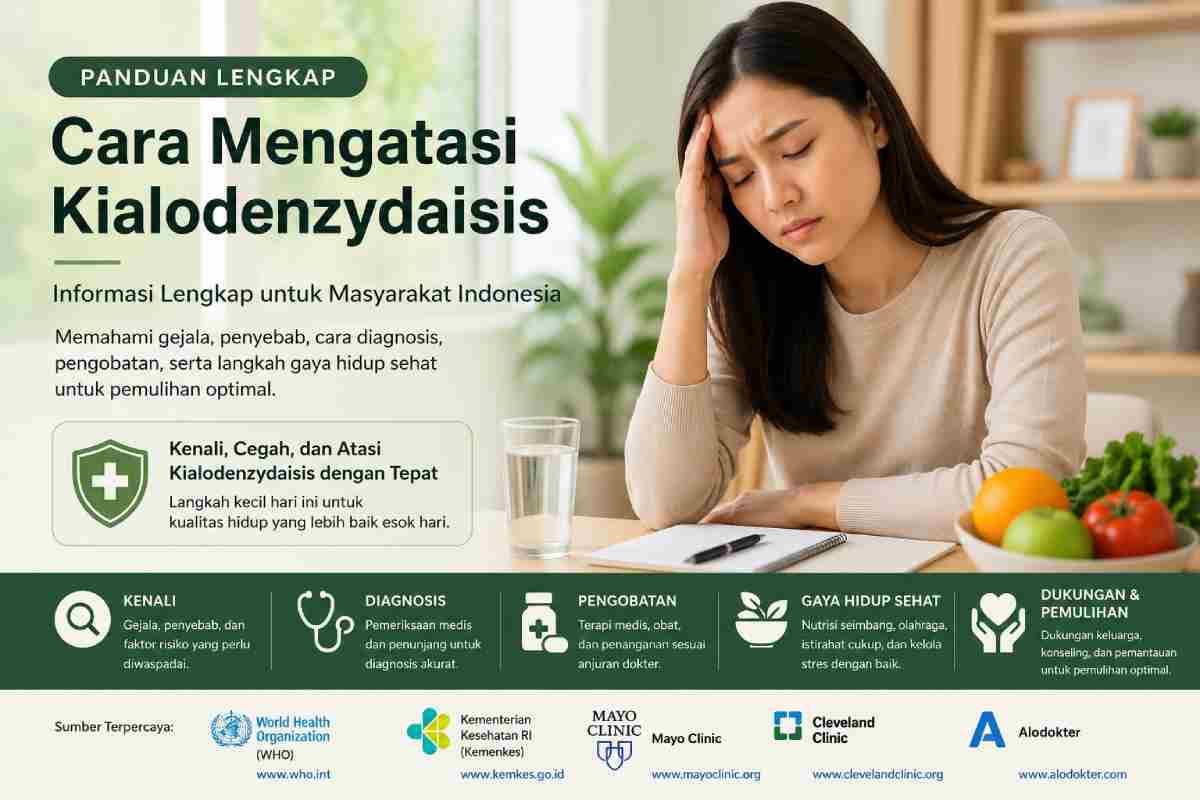
Introduction
Many people in Indonesia are now searching online for the term “kialodenzydaisis.” Some websites describe it as a condition related to stress, low energy, mental tiredness, poor sleep, and emotional pressure. At the moment, it is not listed as an official medical disease, but people still want to understand why they feel tired, unmotivated, or mentally exhausted in daily life.
In Indonesia, busy work schedules, social media use, traffic, financial pressure, and lack of rest are common problems. Because of this, more people are trying to improve their lifestyle and mental wellness naturally.
This article is written only for information purposes. It is not meant as a medical recommendation. This article aims at simplifying the subject and helping people learn about good practices that could positively affect their lives.
What Is Kialodenzydaisis?
Kialodenzydaisis is mostly talked about online. It is defined differently by various online sources. For some individuals, it is associated with stress and exhaustion; other people define it as psychological and physical fatigue that lasts for an extended period.
When looking for information on this issue, most individuals mention:
- Being constantly tired
- Poor focus
- Stress from work or studies
- Sleep problems
- Low mood
- Lack of motivation
- Mental pressure
Even though the term is not officially recognized in hospitals or medical books, the feelings people describe are common in modern life.
Common Symptoms People Talk About
| Symptom | Simple Explanation |
| Tired body | Feeling weak during the day |
| Mental stress | Feeling pressure or worry |
| Poor sleep | Not sleeping properly |
| Brain fog | Trouble focusing |
| Low energy | No motivation to work |
| Mood changes | Feeling irritated easily |
| Muscle tension | Tight shoulders or body pain |
| Anxiety | Feeling nervous often |
Some people experience only a few of these symptoms, while others may experience many at the same time.
Why People in Indonesia Search About This Topic
Indonesia is changing fast. Many people now spend long hours working, studying online, or using mobile phones. City life can also be stressful because of traffic, busy schedules, and financial pressure.
Young adults especially are facing:
- Work stress
- Social media pressure
- Lack of sleep
- Too much screen time
- Unhealthy eating habits
Because of this, topics related to stress and wellness are becoming popular online.
Daily Habits That May Make Things Worse
Sometimes simple habits slowly affect both mental and physical health.
Common Lifestyle Problems
| Habit | Possible Result |
| Sleeping very late | Low energy next day |
| Skipping meals | Weakness and poor focus |
| No exercise | Tired body |
| Too much coffee | Sleep problems |
| Long screen time | Mental stress |
| No rest days | Burnout |
| Fast food daily | Low nutrition |
These habits may not look serious at first, but over time they can affect mood and energy.
Simple Ways to Feel Better
Most people do not need expensive products or complicated routines. Small daily improvements can help a lot.
1. Sleep Properly
Sleep is very important for both body and mind.
Easy Sleep Tips
- Sleep at the same time daily
- Stop using the phone before bed
- Keep the room quiet
- Avoid too much caffeine at night
- Try relaxing music before sleeping
Recommended Sleep Time
| Age Group | Sleep Time |
| Teenagers | 8–10 hours |
| Adults | 7–9 hours |
| Older adults | 7–8 hours |
Good sleep helps improve focus and mood.
2. Eat Better Food
Food affects energy levels and mental health. Indonesia has many healthy local foods that are affordable and easy to find.
Healthy Food Examples in Indonesia
| Food | Benefit |
| Banana | Quick energy |
| Papaya | Vitamins |
| Fish | Protein |
| Tempeh | Healthy nutrition |
| Spinach | Iron and minerals |
| Coconut water | Hydration |
Try to reduce:
- Junk food
- Sugary drinks
- Too much instant food
- Excess caffeine
A balanced diet helps the body recover naturally.
3. Move Your Body Every Day
Exercise does not need to be difficult. Even simple movement can improve mood and energy.
Simple Activities
| Activity | Benefit |
| Walking | Better blood flow |
| Cycling | More stamina |
| Stretching | Less body tension |
| Yoga | Relaxation |
| Swimming | Full body exercise |
Many Indonesians now enjoy morning walks or evening cycling to reduce stress.
4. Reduce Stress Slowly
Stress cannot disappear in one day, but small changes help.
Simple Stress Management Tips
- Take short breaks during work
- Spend time with family
- Listen to calm music
- Avoid negative social media
- Go outside for fresh air
- Practice deep breathing
Mental health is just as important as physical health.
Traditional Wellness in Indonesia
Indonesia already has many natural wellness traditions. Some people use these methods to relax and feel calmer.
Popular Traditional Practices
| Practice | Purpose |
| Jamu | Herbal wellness drink |
| Massage | Relax body muscles |
| Meditation | Calm the mind |
| Aromatherapy | Reduce stress |
| Herbal baths | Relaxation |
These methods are commonly used for comfort and relaxation.
Digital Lifestyle and Mental Tiredness
Many people now spend several hours every day on mobile phones. Social media, online work, and nonstop notifications can make the mind feel tired.
Simple Digital Detox Ideas
| Habit | Why It Helps |
| No phone during meals | Better focus |
| Less screen time at night | Better sleep |
| Turn off notifications | Less stress |
| Spend time outdoors | Mental refreshment |
Reducing screen time for even one hour daily can help improve mental calmness.
Drink More Water
Indonesia has hot weather most of the year. Drinking enough water is important because dehydration can cause headaches and tiredness.
Daily Water Guide
| Person | Suggested Water Intake |
| Adult men | Around 3 liters |
| Adult women | Around 2 liters |
| Active people | More if exercising |
Coconut water is also popular in Indonesia because it helps the body stay refreshed.
Avoid Fake Health Claims
Because this keyword is becoming popular online, some websites may post false information or fake treatments.
Be careful of:
- Miracle cure claims
- Expensive fake supplements
- Instant healing promises
- Unverified online products
There is no proven magical cure. Healthy habits are still the best long-term solution.
When to Visit a Doctor
Sometimes tiredness and stress may be connected to real medical problems.
See a Doctor If You Have
| Serious Symptom | Why It Matters |
| Chest pain | Heart-related issue |
| Severe depression | Mental health concern |
| Trouble breathing | Medical emergency |
| Extreme weakness | Needs medical check |
| Sudden weight loss | Possible illness |
Professional medical advice is always important for serious symptoms.
Comparison: Healthy Lifestyle vs Unhealthy Lifestyle
| Healthy Lifestyle | Unhealthy Lifestyle |
| Good sleep | Late-night habits |
| Fresh food | Junk food daily |
| Exercise | Sitting all day |
| Less stress | Constant pressure |
| Enough water | Sugary drinks |
| Family time | Social isolation |
Even though it is not medically diagnosed as a disease, many can recognize its symptoms, as today’s life can be stressful.
Conclusion
Kialodenzydaisis is mostly discussed online as a term connected with stress, tiredness, poor sleep, and emotional pressure. Even though it is not officially recognized as a medical disease, many people relate to the symptoms because modern life can be exhausting.
In Indonesia, more people are trying to improve their daily habits through better sleep, healthy food, exercise, relaxation, and reduced stress. Simple lifestyle changes are often more helpful than expensive products or complicated treatments.
The best approach is to focus on balance, rest, and long-term healthy habits.
FAQs
Is kialodenzydaisis medically diagnosed as a disease?
Right now, it is not considered a medical condition.
Why do people research this issue?
It seems that some find parallels between the name and stress, exhaustion, and tiredness.
Can healthy habits help?
Yes, proper sleep, healthy food, exercise, and stress management may improve overall wellness.
Is this article medical advice?
Certainly not. The publication serves merely as informational content.
Can stress affect the body?
Yes. Long-term stress may affect sleep, mood, energy, and concentration.
Should I see a doctor for serious symptoms?
Yes. Always visit a healthcare professional for severe or long-lasting health problems.