


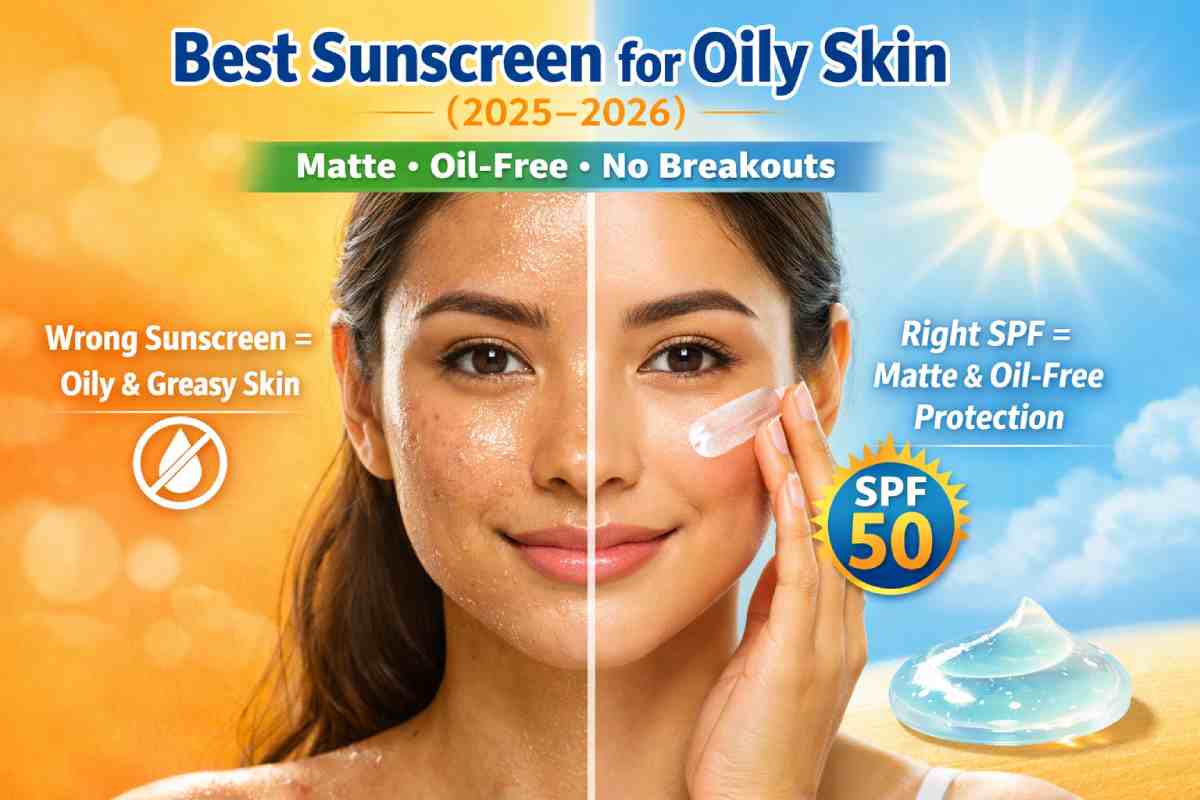
For those with oily skin, finding the best sunscreen for oily skin can feel like a daunting task. Applying sunscreen often brings fears of greasy shine, clogged pores, or breakouts. However, sun protection is essential, no matter your skin type, to help prevent premature ageing, pigmentation, and skin cancer. Fortunately, there are ways to make sunscreen work well with oily skin while keeping your complexion comfortable and shine-free. Here are some tips to help you choose the right sunscreen lotion and apply it effectively for optimal results.
Top Dermatology Specialists Recommending Sunscreen for Oily Skin
| Specialist Name | Expertise | Location | Key Recommendation |
|---|---|---|---|
| Dr. Brendan Camp | Dermatologist | USA | Use lightweight gel SPF and skip heavy moisturizers |
| Dr. Dara Spearman | Dermatologist | USA | Choose non-comedogenic, oil-free sunscreens |
| Indian Dermatology Clinics | Clinical skincare | India | Recommend SPF 50 gel for humid climates |
Dermatologists consistently emphasize:
- Gel or water-based sunscreen
- SPF 30–50 minimum
- Non-comedogenic formulas
- Ingredients like niacinamide and zinc oxide
Sunscreen Prices for Oily Skin (India 2025–2026)
| Product Type | Price Range (₹) | Best For |
|---|---|---|
| Budget Gel Sunscreens | ₹300–₹500 | Students, daily use |
| Mid-Range Dermat Sunscreens | ₹500–₹800 | Acne-prone skin |
| Premium Sunscreens | ₹800–₹1500 | Sensitive/oily + anti-aging |
Example:
- Fixderma Gel SPF 50: ₹350–₹600
- Acne UV Gel SPF 50: ₹450–₹550
Insight: Reddit users confirm that effective sunscreens below ₹500 are limited but possible.
1. Choose a Lightweight, Oil-Free Formula
Oily skin types need a sunscreen that provides protection without adding unnecessary greasiness. Look for sunscreens labelled as “oil-free,” “non-comedogenic,” or “lightweight.” Gel-based or water-based formulas tend to work better for oily skin than heavy cream-based lotions, which can sit on top of the skin and exacerbate shine. Additionally, products that contain ingredients like niacinamide and silica can help absorb excess oil, keeping your face matte throughout the day.
2. Opt for a Mattifying Sunscreen Lotion
The best sunscreen for oily skin is often a mattifying sunscreen lotion. These sunscreens have been specifically formulated to reduce shine and minimise the appearance of pores. They often contain oil-absorbing ingredients that keep your face looking fresh, even in humid or warm conditions. Many brands now offer SPF lotions with a matte finish, ideal for hot Australian summers. A mattifying sunscreen will not only protect your skin from harmful UV rays but also keep your skin looking natural and oil-free, helping to prevent midday shine.
3. Apply Sunscreen as the Last Step of Your Skincare Routine
If you have oily skin, it’s essential to layer products correctly to prevent your skin from becoming overloaded with too many heavy products. Apply your sunscreen lotion as the final step in your morning skincare routine, after lightweight serums or a hydrating, oil-free moisturiser. By applying sunscreen last, you ensure that it forms a protective barrier without mixing with other products, which can sometimes cause pilling or excess shine. Wait a few minutes for each layer to fully absorb before applying the next to keep your skin looking fresh.
4. Use Powder or Setting Spray for Extra Oil Control
If your skin is particularly oily, you can top off your sunscreen lotion with a translucent powder or mattifying setting spray. These products help to absorb any remaining oil and set the sunscreen in place, making it less likely to slide off throughout the day. Just be careful to avoid heavy makeup, which can clog pores. Using light layers of powder or setting spray over your sunscreen can keep your complexion looking smooth and shine-free all day long.
5. Try a Mineral-Based Sunscreen
Mineral sunscreens, which contain zinc oxide and titanium dioxide, can be excellent options for oily skin. Mineral sunscreens often have a matte finish and are naturally more stable in the sun, making them ideal for long summer days. Some mineral sunscreens also include additional oil-controlling agents, making them the best sunscreen for oily skin when it comes to offering broad-spectrum protection without the extra shine.
6. Blot Excess Oil throughout the day
Even with the right sunscreen, oily skin may need a touch-up during the day. Blotting papers are a quick solution to absorb excess oil without disturbing your sunscreen. Simply press the blotting paper on areas prone to shine, like the T-zone, to remove oil. Avoid wiping or rubbing, as that can remove your sunscreen.
Using sunscreen lotion that’s tailored for oily skin ensures that you’re protected from harmful UV rays without compromising your skin’s appearance or comfort. With these tips, you can keep your skin protected, shine-free, and breakout-free all day long, even during the peak of the Australian summer.
New Updates in Sunscreen (2025–2026)
2025 Innovations:
- Oil-control SPF formulas with niacinamide
- Sweat-resistant gel sunscreens
- Blue light protection added
2026 Trends:
- AI-based skin analysis recommending SPF
- Hybrid sunscreen + skincare (hydration + acne control)
- Increased focus on SPF accuracy testing (after consumer concerns)
Industry Shift:
Consumers now prioritize:
- Verified SPF claims
- Dermatologist-tested formulas
- Non-comedogenic certification
Conclusion
Making sunscreen work for oily skin is no longer complicated—it’s about choosing the right formulation.
Key Rules:
- Always use gel-based, oil-free sunscreen
- Choose SPF 50 for Indian climates
- Reapply every 2–3 hours
- Avoid heavy creams and pore-clogging ingredients
With 2025–2026 advancements, sunscreen is now designed to control oil, prevent acne, and protect skin simultaneously—making daily SPF not just necessary, but comfortable.