


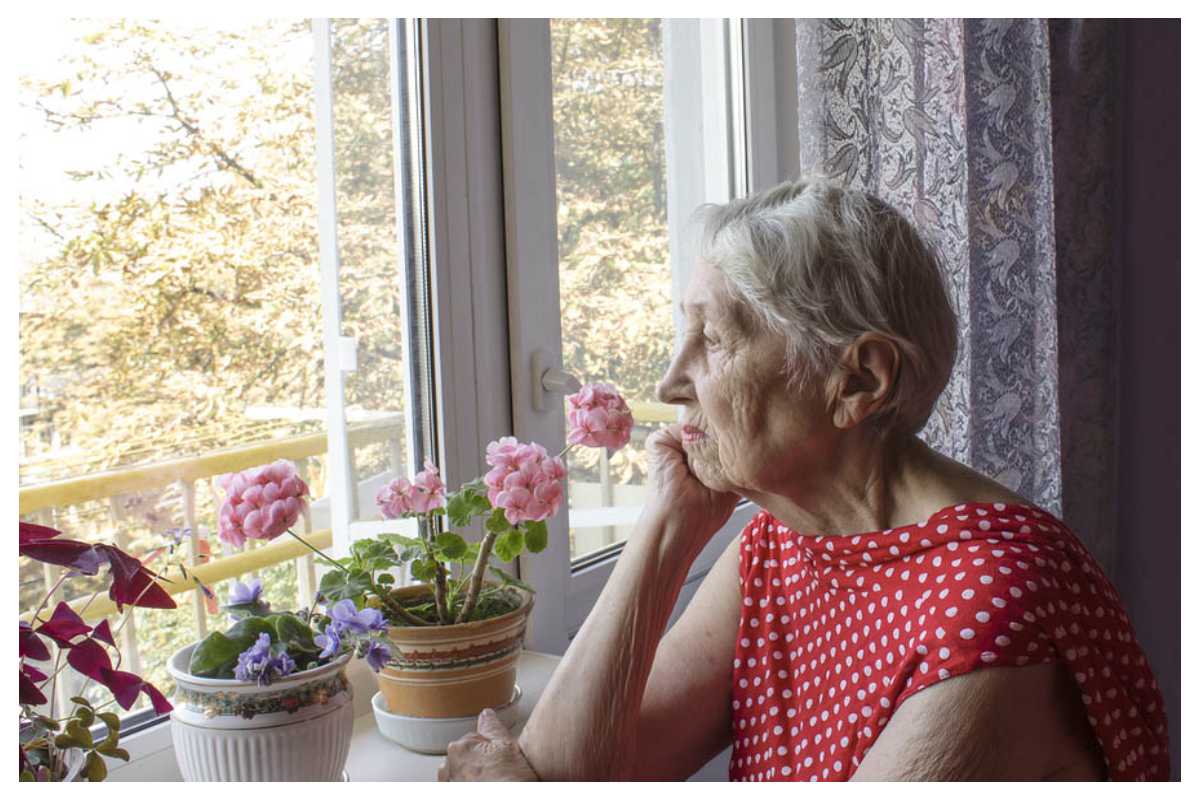
Ways Seniors Can Stay Safe While Living Alone – As our bodies change when we get older, making alterations to the way we live is important. In order to remain healthy and injury-free, we have to pay special attention to every task.
This becomes even more critical when we are living alone. You don’t have an extra set of hands to help out, and it could be days before you actually see someone again.
In this article we are going to talk about seven ways that seniors can stay safe while they are living alone.
Let’s get started.
Essential Safety Specialists and Services for Seniors
| Specialist Type | Role | When Needed | Benefits | Availability (India & Global) |
| Geriatric Doctors | Age-related health care | Chronic illness, regular checkups | Preventive care, medication management | India, US, UK |
| Home Caregivers | Daily assistance | Mobility issues | Personal care, companionship | Urban India, Tier-2 cities |
| Physiotherapists | Mobility & fall prevention | Post-injury or aging | Improves strength & balance | Widely available |
| Security Services | Home surveillance | Living alone in urban areas | Prevents theft & emergencies | Metro cities |
| Emergency Response Services | Immediate medical help | High-risk seniors | 24/7 emergency support | Growing in India |
| Mental Health Counselors | Emotional well-being | Loneliness, depression | Improves mental health | Online & offline |
In 2025, Indian police initiatives like senior citizen assistance programs include regular check-ins and home visits, improving safety for elderly residents
Make necessary home modifications.
Perhaps one of the most effective ways to reduce the risk of accidents when living alone is to make home modifications. These are things that will assist you with your day-to-day activities.
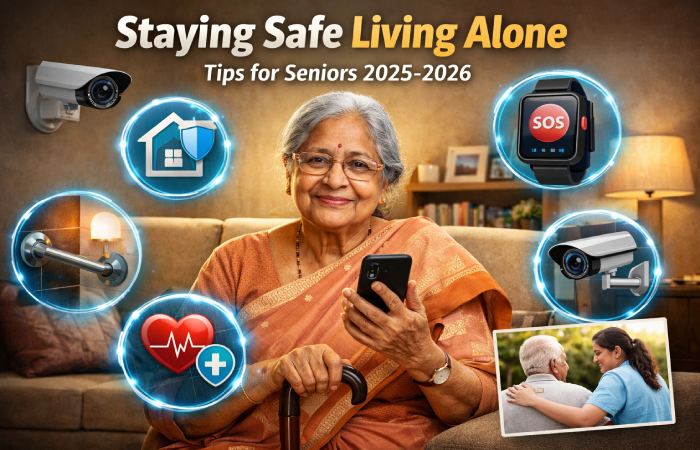
For instance, you may think of:
– Installing grab rails.
– Removing trip hazards.
– Using ramps instead of stairs.
– Creating a non-slip bathroom.
The safer your home is, the easier it will be for you to age in place. You can read more about home modifications here.
Cost of Safety Solutions for Seniors
| Safety Measure | Estimated Cost (India ₹) | Global Cost ($) | Frequency |
| Grab Bars & Anti-slip Mats | ₹1,000 – ₹5,000 | $20 – $80 | One-time |
| Smart Emergency Alarm Systems | ₹3,000 – ₹15,000 | $50 – $200 | One-time |
| Monthly Caregiver Services | ₹10,000 – ₹40,000 | $200 – $800 | Monthly |
| CCTV / Home Security Setup | ₹5,000 – ₹25,000 | $100 – $500 | One-time |
| Telemedicine Subscriptions | ₹500 – ₹2,000 | $10 – $50 | Monthly |
| Assisted Living Facilities | ₹40,000 – ₹60,000 | $1,000+ | Monthly |
Assisted living demand is increasing in India due to safety and emotional support needs, especially in urban areas
Best Geographic Locations for Safe Senior Living
| Location Type | Safety Level | Healthcare Access | Cost of Living | Best For |
| Metro Cities (Delhi, Mumbai) | Moderate | Excellent | High | Medical access |
| Tier-2 Cities (Hyderabad, Pune) | High | Good | Moderate | Balanced lifestyle |
| Rural Areas | Low–Moderate | Limited | Low | Family-based living |
| Assisted Living Communities | Very High | Integrated | High | Full safety & care |
| Gated Communities | High | Moderate | Moderate | Independent seniors |
Experts recommend ground-floor homes, better lighting, and clutter-free spaces to enhance safety regardless of location
Comparison: Living Alone vs Assisted Living vs Family Living
| Factor | Living Alone | Assisted Living | With Family |
| Independence | High | Moderate | Low–Moderate |
| Safety | Moderate | High | High |
| Cost | Low–Moderate | High | Shared |
| Emotional Support | Low | High | High |
| Medical Access | Limited | High | Moderate |
While living alone offers independence, it requires strong safety planning and technology integration.
Utilize technology.
While some seniors may struggle with technology, it can make things easier in the long run. There are many handy devices that can offer assistance. From automatic can openers to robot vacuums, you would be amazed at the different products out there.
Another significant technological advancement is medical alert systems. These are also known as personal emergency response systems and can alert family members and the authorities if an accident does occur. In addition, in some medical alerts you may also need oxygen concentrator in some of the medical alerts.
Install efficient lighting.
There are two different benefits of installing efficient lighting in your home. The first is that they can help prevent accidents, especially if you use motion sensor lights. When you get up to go to the bathroom, you don’t have to stumble to get to the switch.
The next is that they can help ward off unwanted guests. Thieves and burglars are much less likely to target a home that is well lit from the street.
Manage medication carefully.
Another accident that can occur to seniors that live alone is medication overdose. It’s easy to lose track of when you have taken your medication when there are so many different pills to remember.
This is why it’s crucial to have a plan in place to manage what you are taking. An automated pill dispenser is a great choice, as it will only release what you will need once a day.
Stay in touch with loved ones.
As critical as it is to take care of your physical health, it’s also essential to take care of our mental wellbeing. Make sure that you keep in touch with your loved ones as much as possible, even if you are living by yourself.
Not only will this help keep you feeling great, but it will ensure that there are others who are aware of your current situation. For example, if you are unwell, they will know to check up on you more frequently.
Maintain a healthy lifestyle.
You probably guessed it; In order to stay safe at home, you need to maintain a healthy lifestyle. This includes eating a nutrient-rich diet and exercising daily.
Just make sure that you know your own limits. As we age, it’s typical to slow down with the way that we exercise. It’s better to choose low-impact activities so that our bodies don’t become so stressed. This includes things such as swimming, yoga, and walking.
Seek support when needed.
Finally, and probably the most critical way that seniors can stay safe while living alone is to make sure that they seek support when needed. As much as we may wish we could, we won’t be able to do everything we did in our younger years.
If you struggle with specific tasks, such as mowing the lawn, hanging out the washing, or getting groceries, talk with your loved ones and ask for help. Alternatively, if you find that your older parents require assistance, offer a hand.
Real Reviews & Community Insights
From real-world discussions and caregiver experiences:
“Small changes like grab bars and better lighting reduced our worry about falls.”
“Emergency systems matter more than security alarms for seniors.”
Key Takeaways from Reviews:
- Falls are the #1 concern
- Simple solutions outperform complex technology
- Regular human contact is critical
- Emergency response systems are essential
New Updates in Senior Safety (2025–2026)
Key Developments:
1. Smart Home Integration
Motion sensors, voice assistants, and fall detection systems
AI-based monitoring gaining popularity
2. Increased Government Support
Police-run senior safety programs expanding
Community-based check-ins improving safety
3. Telehealth Expansion
Remote consultations now widely accessible
Reduces need for hospital visits
4. Rising Awareness of Mental Health
Loneliness linked to 64% higher dementia risk
More focus on social engagement programs
5. Growth in Assisted Living
Urban India seeing rapid adoption
Combines independence with safety
Final words.
As you can see from the above, there are many different things that you can do to improve your wellbeing when you live alone. While it may seem overwhelming at first, most are small changes that you can easily integrate into your daily life.
While aging can be a daunting thing, it’s important to remember that you are not alone. Even if you will be living by yourself, there are always individuals out there to provide help when you need it.
Conclusion
Living alone as a senior is no longer uncommon—but it requires proactive safety planning. From simple home modifications to advanced smart technologies, the key is prevention, preparedness, and connection.
The most effective safety strategy combines:
- Safe home design
- Regular health monitoring
- Emergency readiness
- Social engagement
With the right systems in place, seniors can live independently while maintaining a high quality of life.